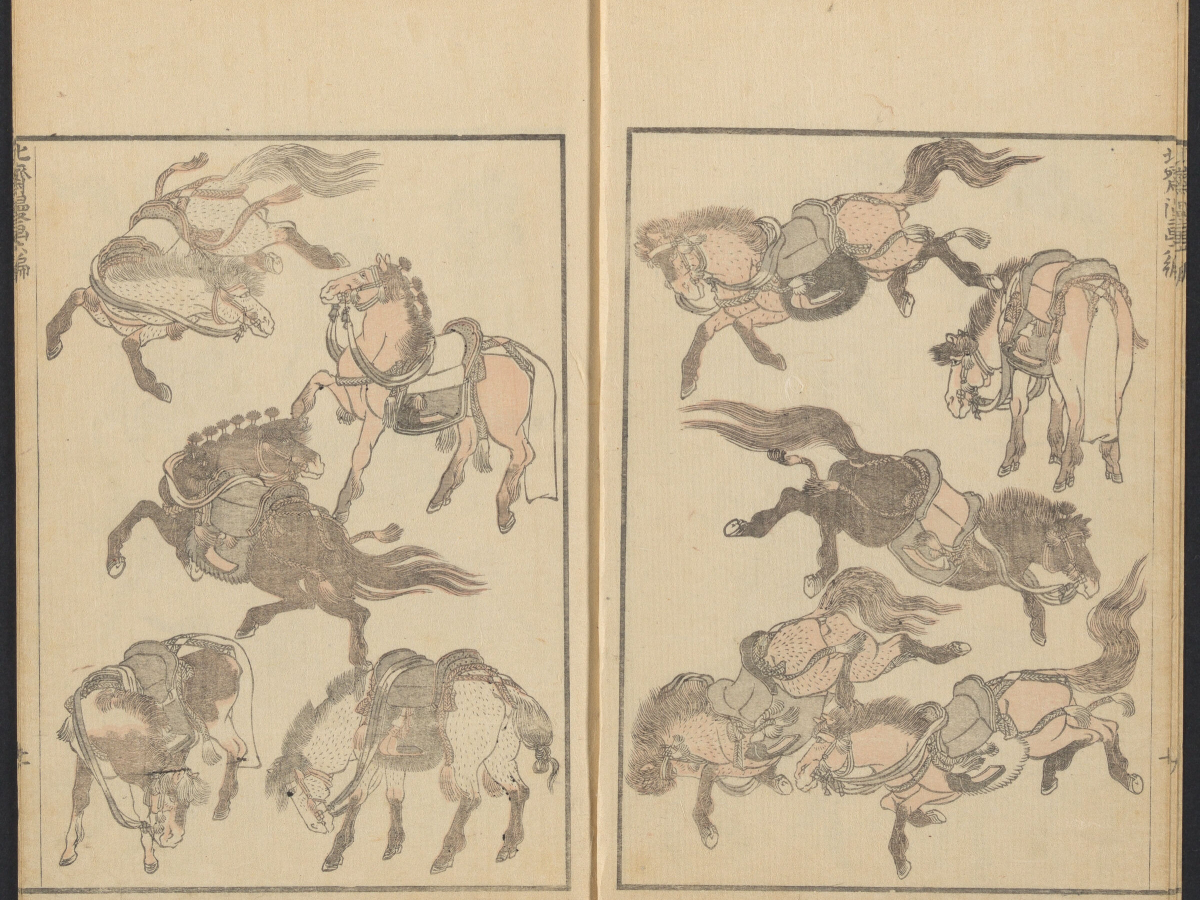
Each Lunar New Year is associated with one of the twelve animals of the zodiac, which cycle every twelve years and are believed to influence personality traits and fortune. The Year of the Horse is traditionally associated with energy, independence, confidence, and forward momentum. People born in Horse years are often thought to be hardworking, charismatic, and adventurous. During a Horse year, the broader symbolism emphasizes movement, ambition, and progress, making it a time that is culturally viewed as favorable for travel, new ventures, and bold decisions.
The Lunar New Year is one of the most significant cultural celebrations in East Asia, marking the beginning of the new year based on the lunar calendar. Observed in countries such as China, Korea, and Vietnam, the festival is centered on family reunions, honoring ancestors, and welcoming good fortune for the year ahead. Traditions often include cleaning homes to sweep away bad luck, offering food and incense to ancestors, exchanging red envelopes, and participating in public festivities like lion dances and fireworks. While customs vary by region, there is a shared emphasis on renewal, harmony, and prosperity.
The horse holds a particularly important place in East Asian history, far beyond its role in the zodiac. For centuries, horses were essential to agriculture, transportation, communication, and warfare. They enabled the expansion and defense of empires, facilitated trade routes such as the Silk Road, and played a central role in military strategy. In agrarian societies, horses symbolized strength and reliability, helping communities cultivate land and sustain livelihoods.
The horse’s legacy as a driver of movement and connection mirrors the Lunar New Year’s broader themes of renewal and forward-looking optimism, linking ancient history with contemporary cultural practice.
Planning to Visit?
Harvard-Yenching Library is open to ID holders. Please see Harvard Library's Visitor Access Page or contact us for the most up-to-date information about visiting the library.
Persons with disabilities who would like to request accommodations or have questions about physical access, please contact us.