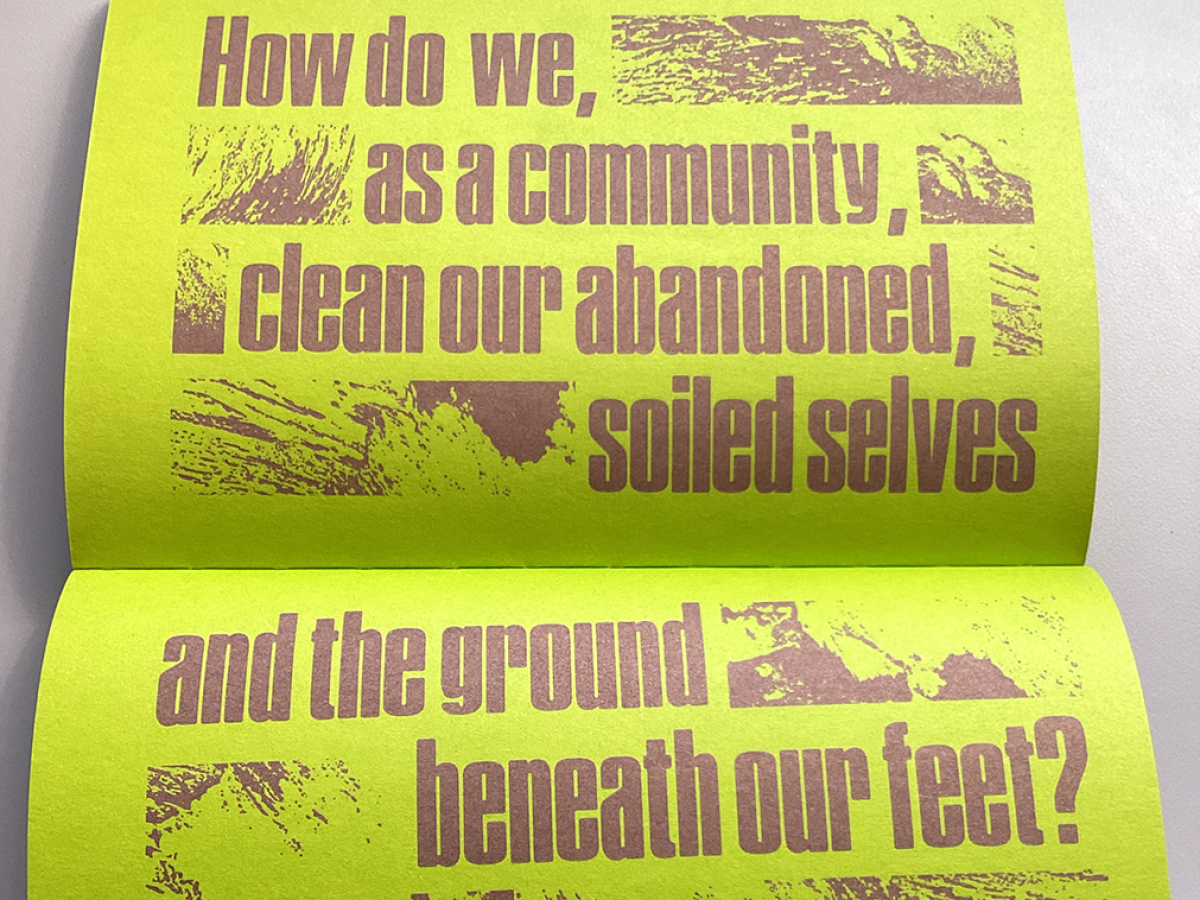
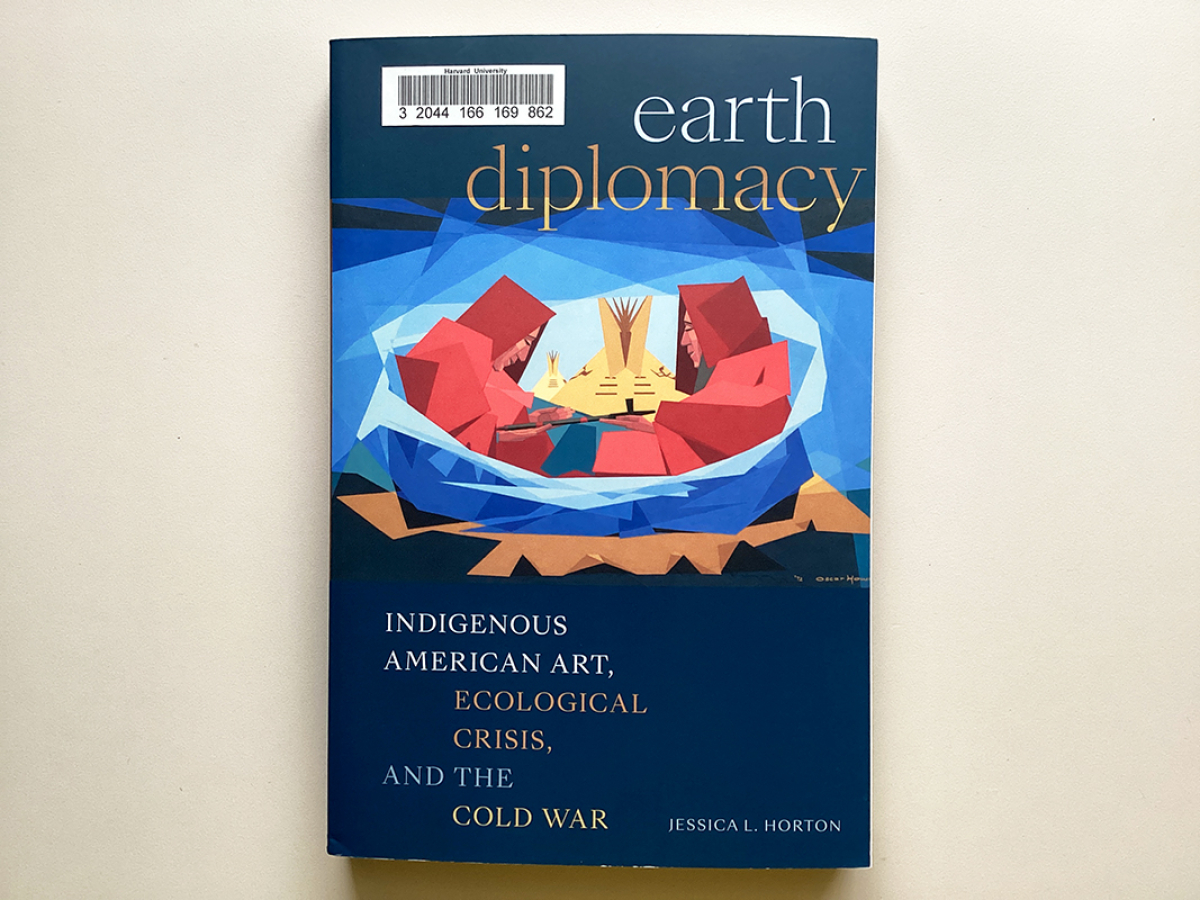
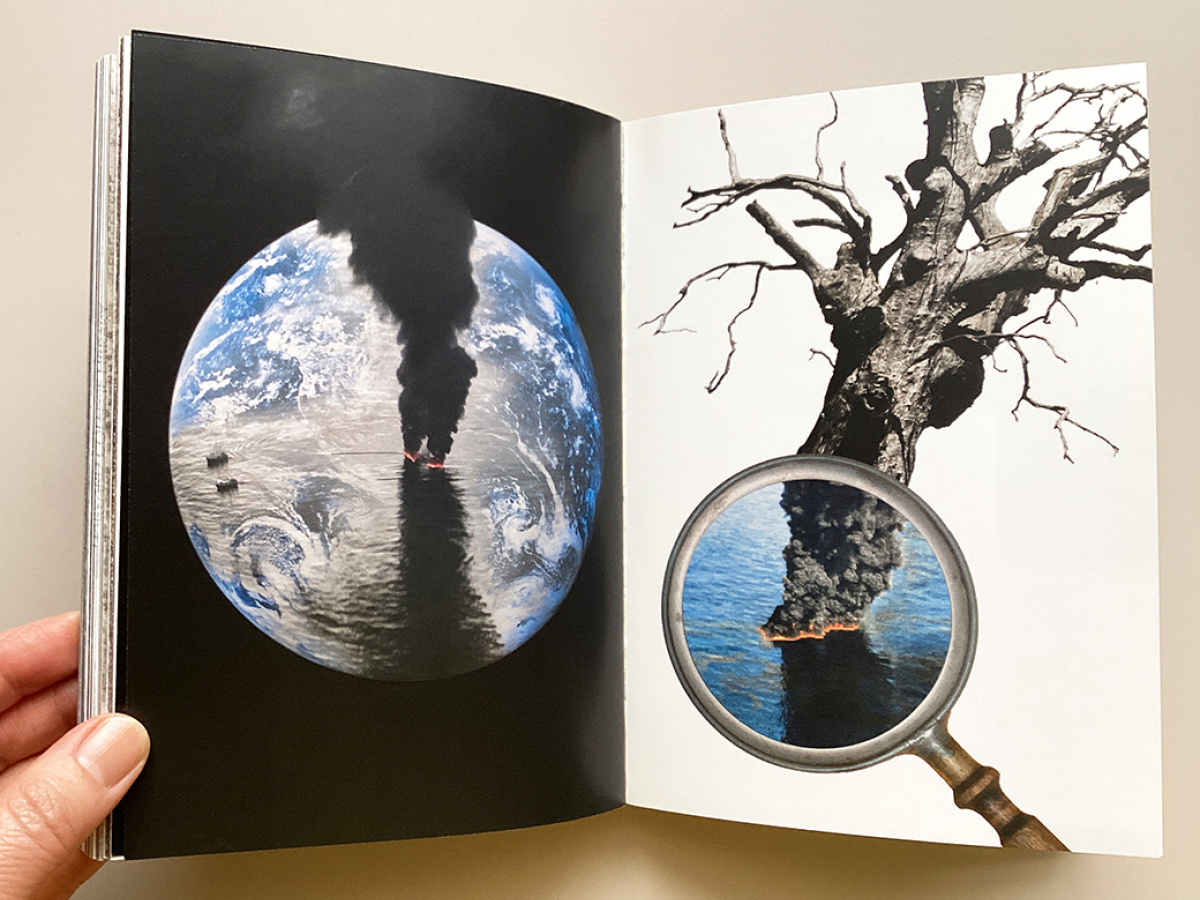
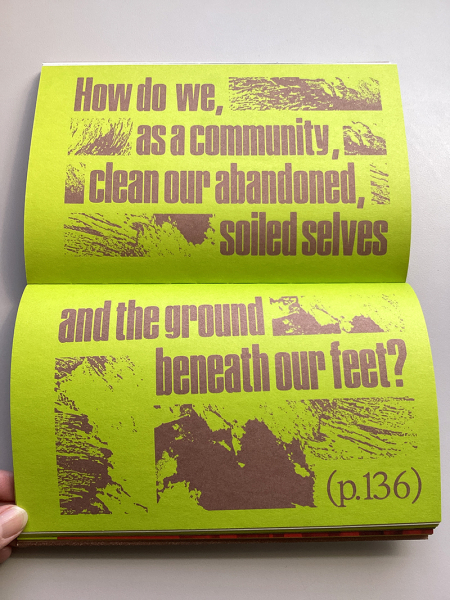
Earth Month is a global movement focused on environmental protection, sustainability education, and community action. Many artists have taken up environmental issues in their work to raise public awareness of human impacts on environmental degradation, climate crisis, and loss of biodiversity in the last decades. As a part of Earth Month events, the Fine Arts Library is showcasing publications from general collections to highlight these environmental and eco artists’ work. These books are available for you to borrow, too!
Land Art to Ecological Art:
Mostly in the United States during the 60s and 70s, Land Art or Earth Art movement emerged where artists used earth as their canvas or materials. This movement was dominated mostly by male artists, and they often create a large site-specific art that expresses aesthetic concerns, but they were not so concerned about environmental issues.
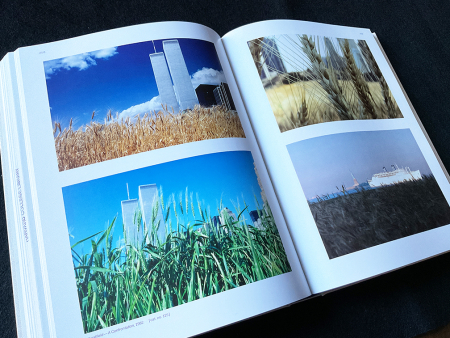
Around the same time, Ecological art movement, led mainly by women artists, was emerging in response to Land Art movement. One of the early pioneers was Agnes Denes (b. 1931). She began ecological projects in the late 60s. Her best-known work was Wheatfield - A Confrontation: Battery Park Landfill, Downtown Manhattan (1982), which addressed larger issues around social, economic, and ethical practice on land. Denes planted, grew, and harvested wheat in a 2-acre lot on a landfill in lower Manhattan, two blocks from Wall Street and the World Trade Center, facing the Statue of Liberty. The crop was harvested on August 16th and yielded over 1000 pounds of healthy, golden wheat. The work addressed greed and misplaced priorities, referring to mismanagement of land, food, waste, world hunger, and ecological concerns.
Richard Misrach (b.1949) has been photographing the deserts of the American West, documenting the changes in the natural environment that were caused by various human impacts such as petrochemical manufacturing and nuclear test sites, and animal burial pits.
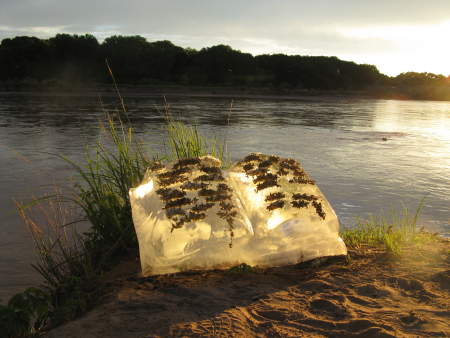
Basia Irland (b. 1946) often works with communities, fostering collaborations – with rivers and with each other. In her Ice Receding/Books Reseeding, she works with stream ecologists, biologists, and botanists to create ice sculptures in the shape of books and fill the ice with native seeds that are suitable for each specific riparian zone. She then releases these seed-laden ephemeral ice sculptures into rivers.
Irland writes, “When an ecosystem is restored and the plants grow along the riverbanks they give back to us by helping sequester carbon, mitigating floods and drought, pollinating other plants, dispersing seeds, holding the banks in place (slowing erosion), creating soil regeneration and preservation, acting as filters for pollutants and debris, supplying leaf-litter (for food and habitat), promoting aesthetic pleasure, and providing shelter/shade for riverside organisms including humans.”
Human actions such as excessive extraction of natural resources and use of fossil fuels, pollution from plastic and chemicals have altered the balance of Earth’s ecosystems, causing climate crisis and loss of biodiversity. Many contemporary artists are responding to these crises using a variety of methods and strategies.
We have organized our selections into the following themes to help you find topics that you are interested to learn more, though many of these topics overlap with each other:
Earth as Material
Climate Crisis & Anthropocene
Ecology
Queer Ecology
Water and Ecosystems
Indigenous Knowledge & Climate
Being Witness
Plastic & Pollution
Gardening as activism / Plants & Fungi
Climate Actions, Sustainability & Hope for the Future
Some publications offer practical tools to get involved in actions, such as Climate Action in the Art World : Towards a Greener Future by Annabel Keenan, published in 2026.
Get inspired to protect the earth and join a global movement!
Calling for Action: Books for Earth Month! is a collaboration between Naoe Suzuki, Green Team member and Administrative Coordinator and Merlin Butler, Access Services Coordinator at the Fine Arts Library.